
Cedofeita Street the street you have to visit in Porto Portugal
The street takes its name from the Church of São Martinho de Cedofeita, whose foundation is thought to date back to the sixth century, in full suevo domain. Concerning the antiquity of the temple it will have been said that it was quoted facta (ie, early made), deriving in Cedofeita .
Impressive shopping and pedestrian street ideal for walking and enjoying the amount of contrasts that has the city of Porto. Everything is concentrated here, modern, tacky, pure eclectic, traditional style, tiles and even that Lisbon black and white floor touch. We may have stayed close to the street and gone everyday to go downtown to the center since it is worth it as to change with the times and visit its shops and enjoy its surroundings. Besides not being an extremely touristy street walking quiet and you can enjoy a lively conversation with here :-). He also has an interesting photogenic.
With about 840 meters in length, going from Carlos Alberto Square to Boavista Street, history points out that it was created in the 6th century (6th), still in the domain of the Suevi, a group of German peoples, who settled in the north of the Iberian Peninsula.
Opened in 1784, in the extension of an old road, by order of João de Almada and Mello. Border to the secular Cedofeita Collegiate, it has become an important residential area. Today is one of the main commercial axes of the city. The street is populated by buildings built between the 17th and 20th centuries. During the siege of Porto, Regent D. Pedro made his headquarters in building No. 395, after bombing the area of the Palace of Carrancas.
In Rua da Cedofeita you can find several buildings classified as Property of Public Interest, a great point of interest for those who like art and architecture. With the changes that the city went through, Rua da Cedofeita also underwent some changes. However, this street has slowly come to life and is once again what characterizes it.
Away from the medieval Porto urban core, delimited by the Fernandina Wall, the area of the current parish of Cedofeita, hosted the church of São Martinho, whose foundation is thought to date back to the sixth century, which testifies to the experience of this area in very remote times.
However, the opening of Rua de Cedofeita did not happen until 1762, as part of a vast urban renewal plan implemented by João de Almada and Melo, through the Public Works Board. The new plan aimed to relate the riverside port area with the citys high, through "regularization and creation of drainage axes, as well as their transverse articulation". [1] Among the most important roads was the so-called "Rua da Estrada", today Rua de Cedofeita.
The urbanization of the street was rapid. Although not yet completed at the end of the 18th century, the so-called Balck Round Plan , published in London in 1813, shows the street in its current length - between Carlos Alberto Square and Boavista Street - and with abundant implantation of buildings on both sides.
The vast majority of the buildings that today constitute Cedofeita Street date back to the late 18th century and the beginning of the following. They are predominantly narrow and long, with a certain architectural homogeneity, most of them with balconies, stonework in the definition of the spans and pilasters, granite heights or with stone and ceramic balusters, and tiles in the facade, dating from the 19th or 20th century.
Impressive shopping and pedestrian street ideal for walking and enjoying the amount of contrasts that has the city of Porto. Everything is concentrated here, modern, tacky, pure eclectic, traditional style, tiles and even that Lisbon black and white floor touch. We may have stayed close to the street and gone everyday to go downtown to the center since it is worth it as to change with the times and visit its shops and enjoy its surroundings. Besides not being an extremely touristy street walking quiet and you can enjoy a lively conversation with here :-). He also has an interesting photogenic.
With about 840 meters in length, going from Carlos Alberto Square to Boavista Street, history points out that it was created in the 6th century (6th), still in the domain of the Suevi, a group of German peoples, who settled in the north of the Iberian Peninsula.
Opened in 1784, in the extension of an old road, by order of João de Almada and Mello. Border to the secular Cedofeita Collegiate, it has become an important residential area. Today is one of the main commercial axes of the city. The street is populated by buildings built between the 17th and 20th centuries. During the siege of Porto, Regent D. Pedro made his headquarters in building No. 395, after bombing the area of the Palace of Carrancas.
Away from the medieval Porto urban core, delimited by the Fernandina Wall, the area of the current parish of Cedofeita, hosted the church of São Martinho, whose foundation is thought to date back to the sixth century, which testifies to the experience of this area in very remote times.
However, the opening of Rua de Cedofeita did not happen until 1762, as part of a vast urban renewal plan implemented by João de Almada and Melo, through the Public Works Board. The new plan aimed to relate the riverside port area with the citys high, through "regularization and creation of drainage axes, as well as their transverse articulation". [1] Among the most important roads was the so-called "Rua da Estrada", today Rua de Cedofeita.
The urbanization of the street was rapid. Although not yet completed at the end of the 18th century, the so-called Balck Round Plan , published in London in 1813, shows the street in its current length - between Carlos Alberto Square and Boavista Street - and with abundant implantation of buildings on both sides.
The vast majority of the buildings that today constitute Cedofeita Street date back to the late 18th century and the beginning of the following. They are predominantly narrow and long, with a certain architectural homogeneity, most of them with balconies, stonework in the definition of the spans and pilasters, granite heights or with stone and ceramic balusters, and tiles in the facade, dating from the 19th or 20th century.

Outros Artigos Populares no Blogue
-
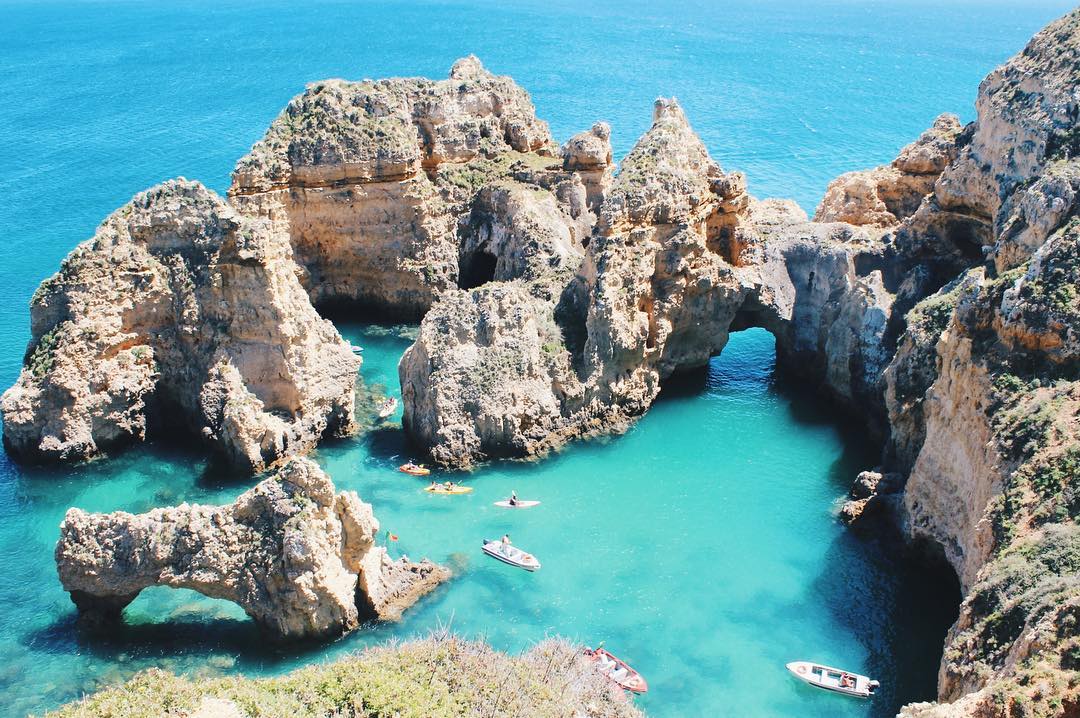

The 30 Most Stunning Beaches in Europe 3 are Portuguese
A hidden gem along the Albanian Riviera, until a famous celebrity site in France and the best beaches of the Greek islands, check below&nbs... -
Rota Vicentina is voted one of the best trails in Europe...
Portugal was elected this Saturday, for the third consecutive year, the best European tourist destination by the World Travel Awards, the Oscars of to... -
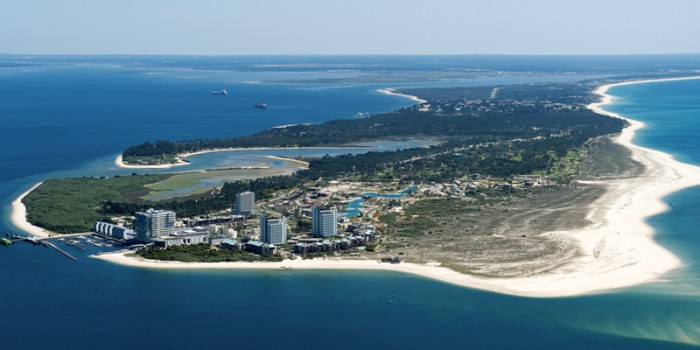
Discover Troia, one of Portugals top golf destinations
The isolated and secluded golf break has never been so close. Just an hours drive from Lisbon, Portugal is TROIA, the laid-back beach retreat off... -
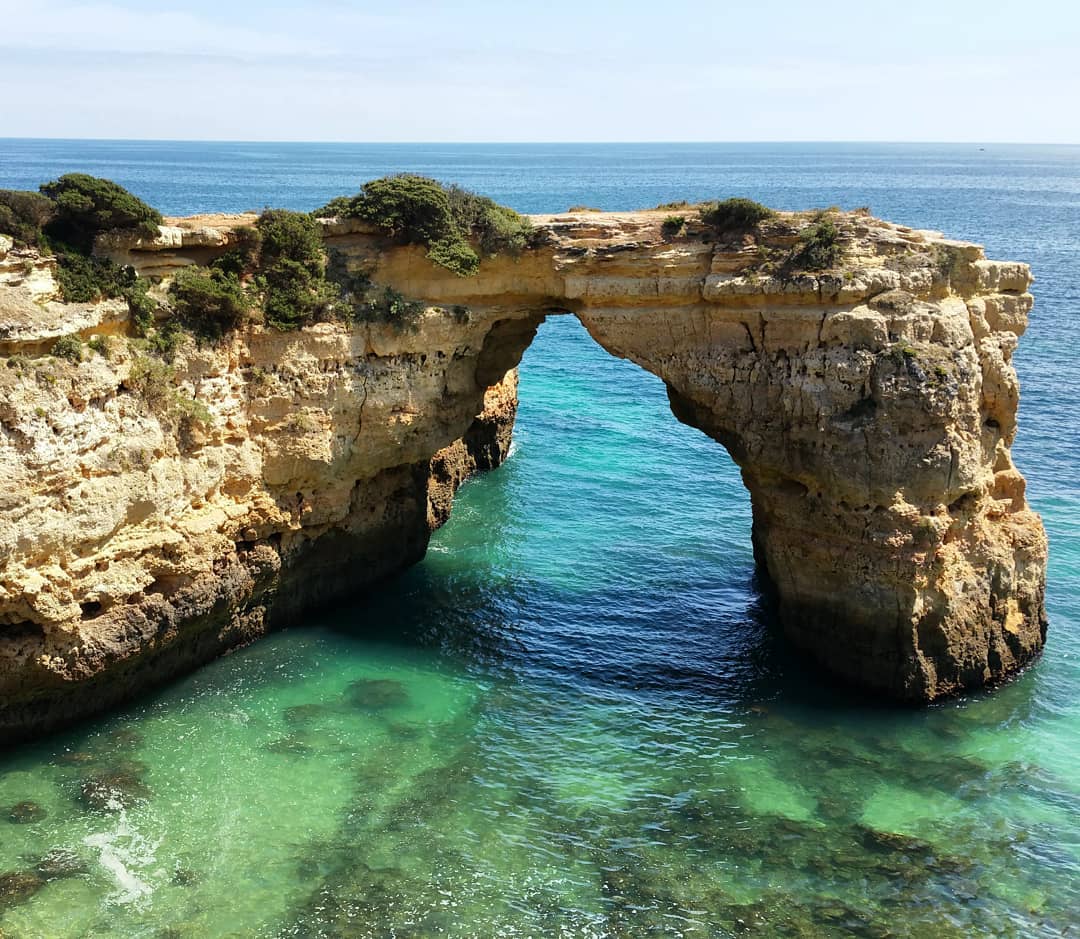
The 20 Best Places to Visit in the Algarve Portugal
Silves provides the perfect blend of history, culture and cuisine. Once the capital of the Arab kingdom here in the Algarve, its well-preserved r... -
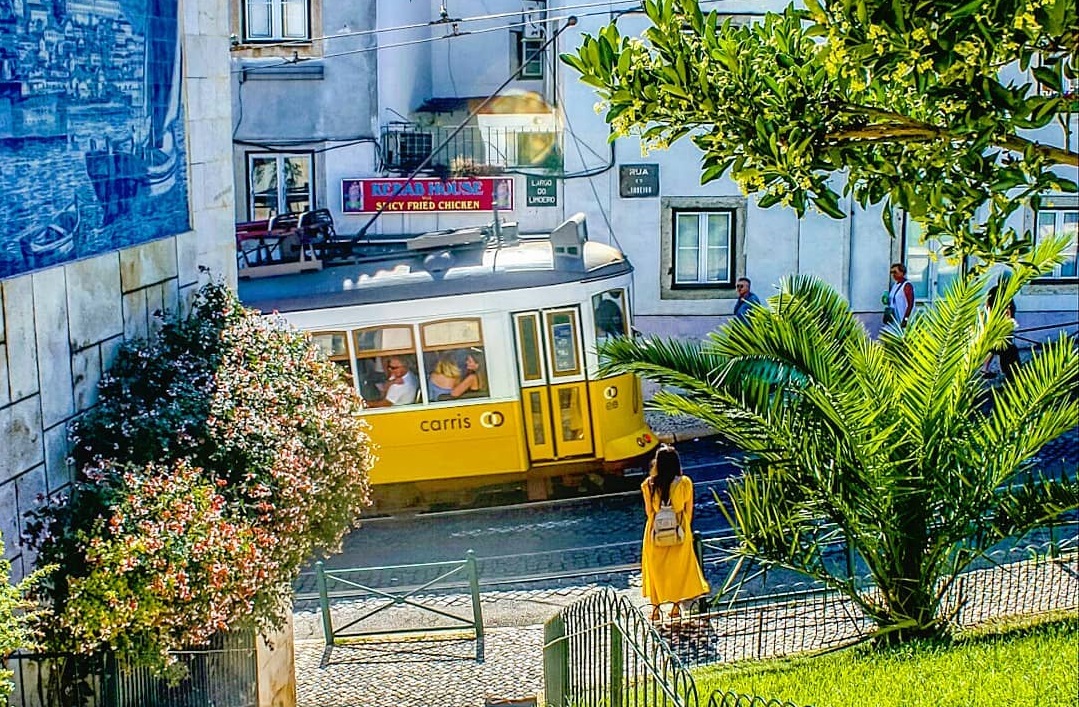
Lisbon one of the most romantic cities in the world
In January Food & Wine magazine, an international publication of American Express, elected the most romantic cities in the world and among them is... -
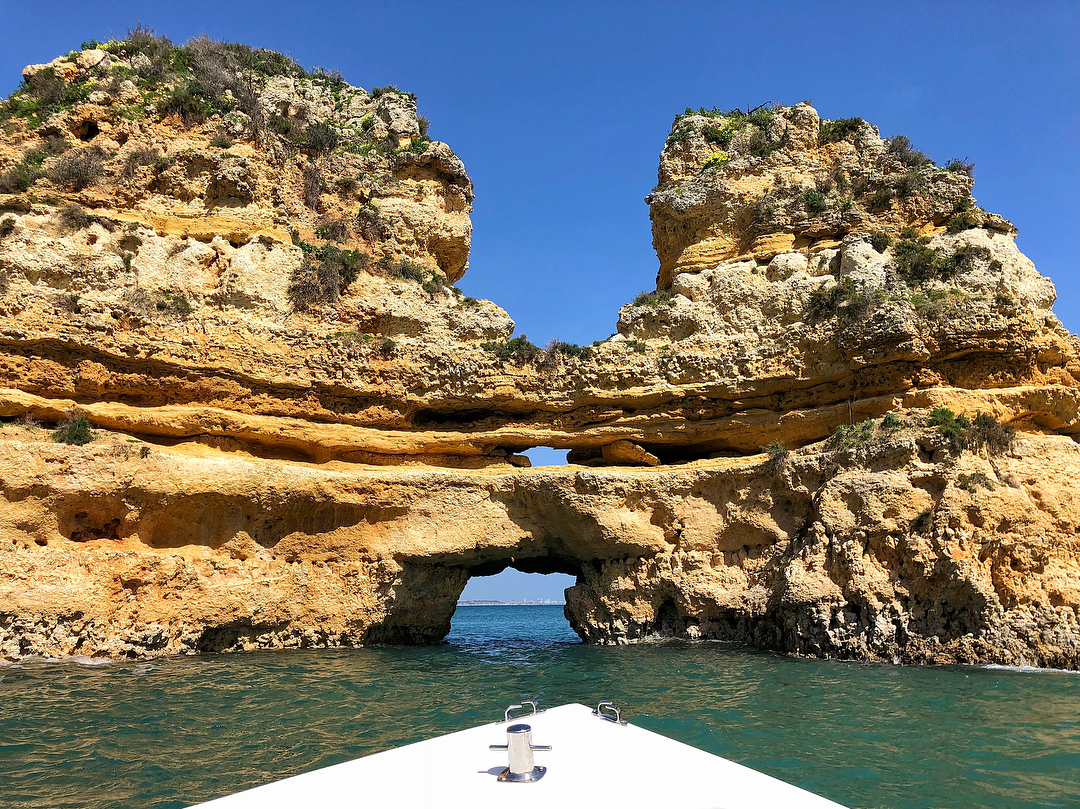
Activities in Portugal, Golf Fishing Water Sports
Fishing - The northern part of Portugal receives abundant rainfall and contains rugged hills and some of the best-supplied streams in the I... -
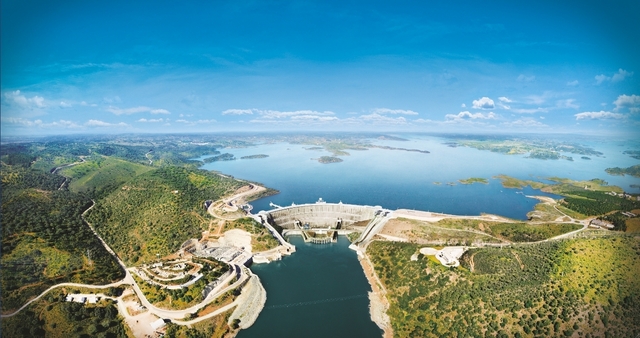
This is the largest artificial lake in Europe in the Alentejo Portugal
The Alqueva Dam is a dam in Portuguese arch, located in the Guadiana river, in the Alentejo region. Alqueva is the largest ... -
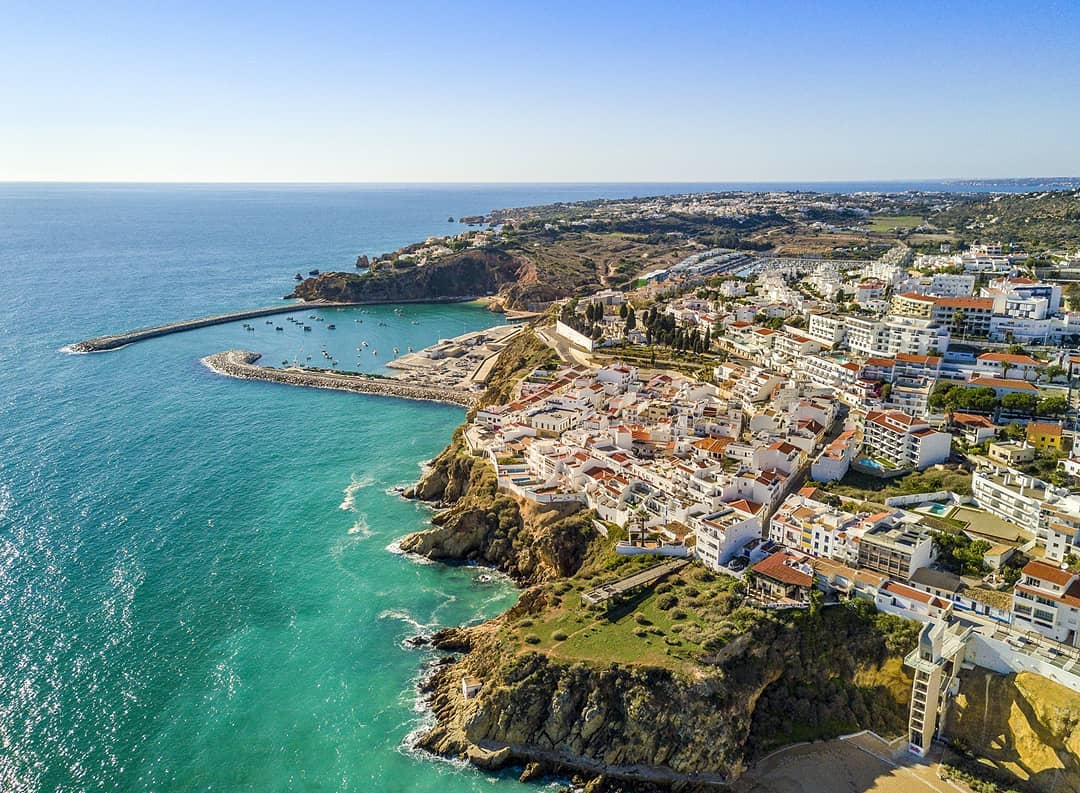
Albufeira City History Guide Portugal
Albufeira was occupied by the Romans over 2000 years ago, Albufeira has developed an economic activity based on fishing and mining in the area. I...